Rome debased
its coin.

Go long
the gold.

Short the
debasement.

Seven coins.
One account.
romantrade lists seven Roman denominations as perpetual markets. Long what held its weight. Short what didn’t.

Open the desk

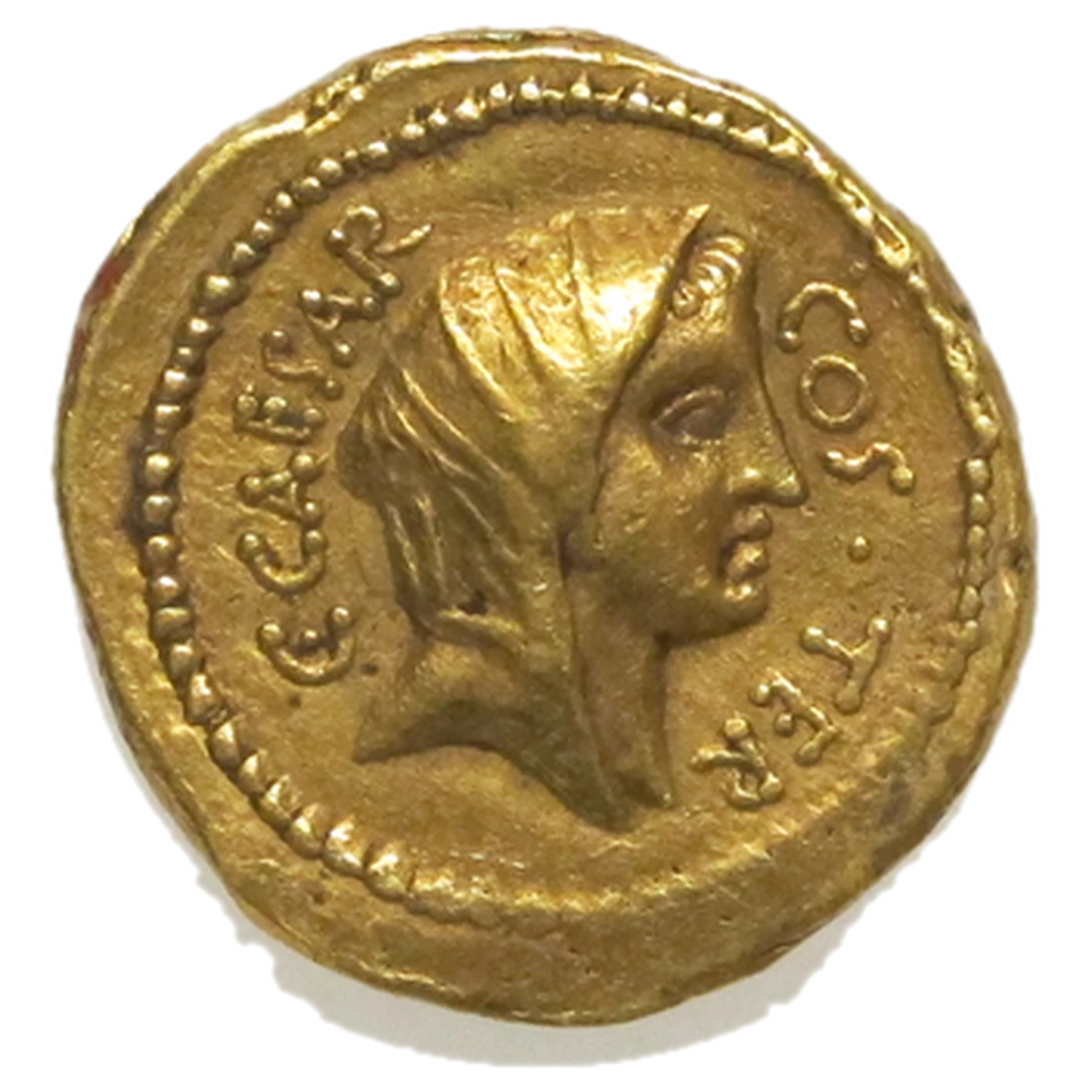
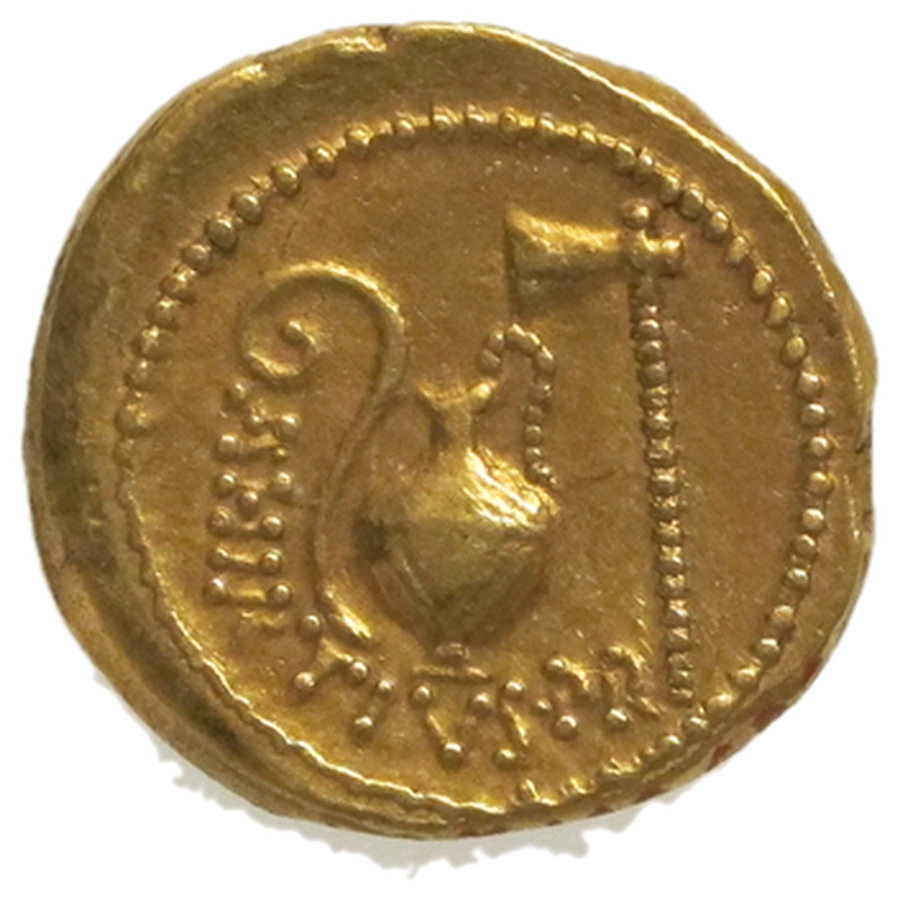
Caesar’s aureus kept its gold for three centuries, and collectors still pay for that. Go long it, up to twenty-five times.

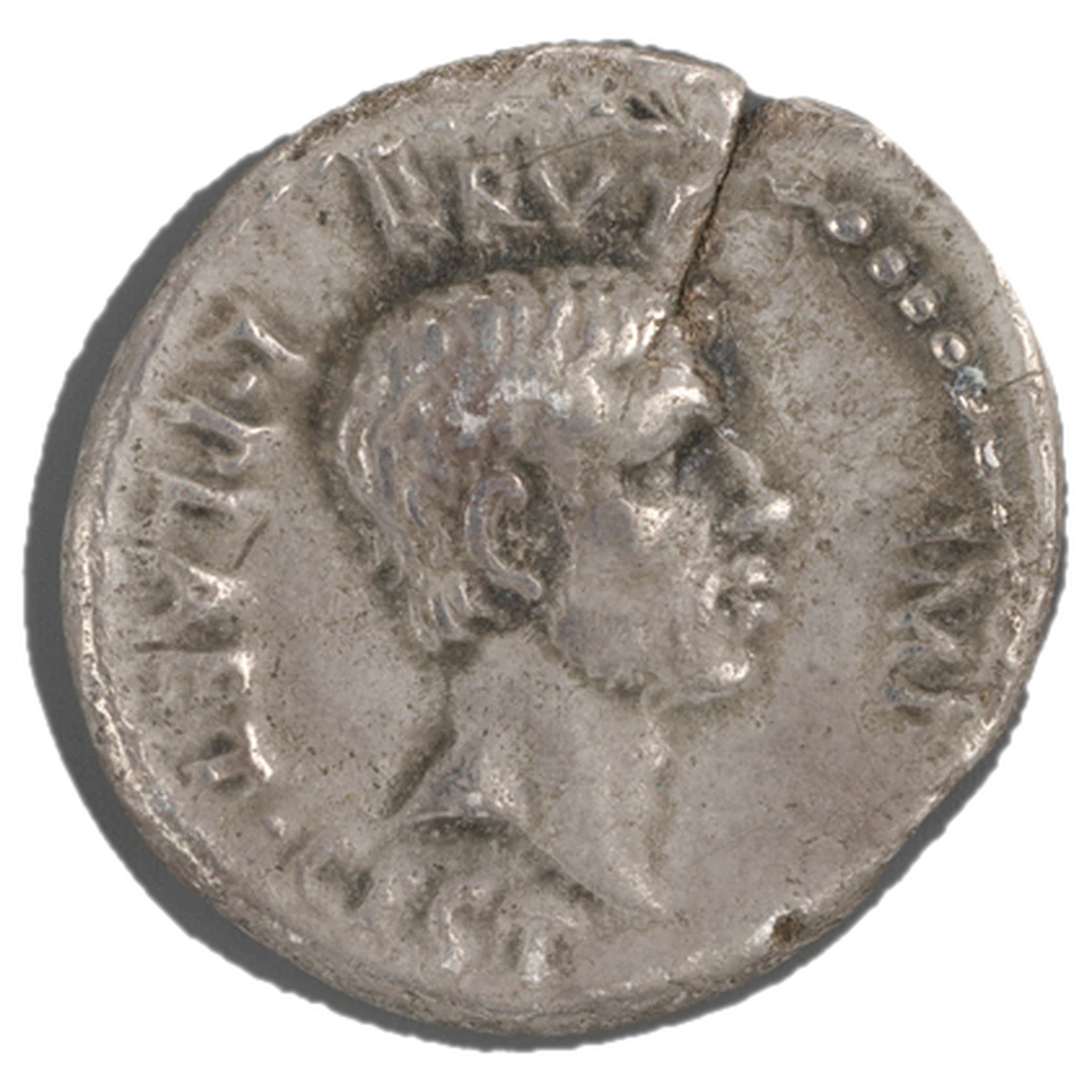
The antoninianus was tariffed at two denarii and weighed one and a half. Within fifty years it was copper with a silver wash. Take the other side.

One SOL margin account across all seven, on Solana. Prices from Pyth, checked by the program on every trade. No owner, no pause switch.

See the seven
Pick a piece of Rome.

Seven denominations, from the copper as to the solidus that outlived the empire. Each one is a market. Hover to turn a coin over, select to load it on the desk.

The desk.

Every price is live: the metal in the coin, times the spot price of that metal, times a collector multiple fixed at listing. The multiple never moves, so every tick you see is real gold, silver or copper.

Denarius

Silver · M. Junius Brutus

Mark—
Change—
In SOL—
Metal market—
—
Reading the market…

Underlying: xyz:SILVER perpetual on Hyperliquid, streamed over WebSocket. Chart by TradingView Lightweight Charts.

LeverageX
IXX
Size
—
Entry
—
Liquidation
—
Fee
—

Paper position, marked to live prices. romantrade has no contract yet, so no order leaves your browser.

Positions

What the silver was worth.

The share of silver in Rome’s everyday coin, 27 BCE to 270 CE.

97.5%
Augustus27 BCE

The face stayed. The portrait stayed. The metal left. Approximate fineness from standard numismatic surveys.

Questions,
answered plainly.

If I go long the aureus, do I own an aureus?

No. You hold a position that follows an index of what aurei sell for. No coin moves and none is held for you. If you want the gold in your hand, buy it from a dealer.

Where do the prices come from?

From the metal. Each coin is its gold, silver or copper content in grams, times the live spot price, times a collector multiple fixed at listing. Trades settle on Pyth’s XAU, XAG and copper feeds divided by SOL/USD, posted and verified in the same transaction; the charts show Hyperliquid’s metal markets.

Why 25× on gold and 10× on a copper as?

Gold trades often and in size, so one sale barely moves the index. Worn bronze trades rarely, so one odd lot can. Leverage follows how thin the market is.

Is there a contract?

A Solana program, aes_perps. It has no admin and no pause switch; the vault is the pool account itself. It is not audited. The source is public, and the page tells you when trades are live on chain rather than paper.

Can I lose more than I put in?

No. Positions close at 0.5% maintenance margin and the insurance fund covers any gap. You can lose all of what you put in.

Long Rome.
Short Rome.

Open the desk